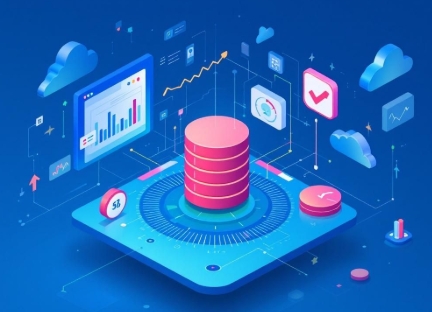



In today’s fast-evolving digital landscape, businesses expect their web applications to handle increasing demands without performance issues. As user bases expand, and data grows exponentially, traditional hosting environments often fall short. This is where cloud integration becomes a game-changing solution—offering scalability, speed, and agility that modern web applications need to stay competitive.
Cloud integration allows web apps to seamlessly connect with cloud-based services, storage solutions, and infrastructure. This empowers businesses to scale resources up or down based on real-time needs, reducing operational costs while ensuring consistent performance. Instead of investing in physical servers or handling complex hardware maintenance, companies can rely on cloud platforms that provide on-demand computing power.
Another major advantage is improved reliability and uptime. Cloud providers offer distributed environments that ensure applications remain available even during traffic spikes or system failures. Auto-scaling, load balancing, and backup recovery options protect web applications from downtime and disruptions.
Security is also strengthened through cloud integration. Leading cloud platforms implement advanced security protocols, encryption standards, and compliance measures that safeguard sensitive information. This makes cloud-enabled web apps more resilient against cyber threats compared to traditional on-premise systems.
Cloud integration further enhances collaboration and development efficiency. Developers can build, test, and deploy applications faster using cloud-based tools, CI/CD pipelines, and container technologies. This accelerates product updates, reduces deployment risks, and supports innovation at scale.
With the growing adoption of AI, automation, and data-driven systems, cloud integration is no longer optional—it is essential for sustainable growth. Whether you’re building new web applications or upgrading existing ones, cloud strategy plays a vital role in enabling seamless scalability, performance optimization, and long-term digital success.