


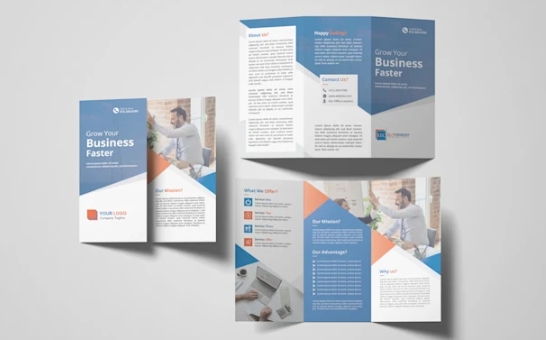
Brochures and flyers remain effective marketing materials for businesses because they provide customers with useful information in a visually appealing and easy-to-understand format. Whether used for promotions, events, product launches, or company introductions, good design plays an important role in making these materials effective.
1. Start With a Clear Objective
Before designing a brochure or flyer, identify its main purpose. Decide whether the material is intended to promote a product, advertise an offer, generate leads, announce an event, or introduce a service. A clear objective helps keep the design focused.
2. Keep the Message Simple
Avoid overcrowding the design with excessive text. Highlight the most important information, such as the main offer, benefits, contact details, and call to action. Simple messaging makes the content easier for customers to understand quickly.
3. Use Strong Visual Hierarchy
Arrange content according to its importance. Headlines should immediately attract attention, followed by supporting information and a clear call to action. Proper spacing, font sizes, and positioning help guide the reader through the design.
4. Maintain Consistent Branding
Use your business logo, brand colors, typography, and visual style consistently. Consistent branding helps customers recognize your business and creates a more professional appearance.
5. Choose High-Quality Images
Images can significantly influence how customers perceive your marketing material. Use clear, relevant, and high-resolution images that support the message instead of using visuals simply to fill empty space.
6. Use Readable Typography
Choose fonts that are easy to read, especially for important information such as contact details and offers. Avoid using too many different fonts, as this can make the design look inconsistent and unprofessional.
7. Create an Effective Call to Action
Every brochure or flyer should encourage the audience to take the next step. Use clear calls to action such as “Call Us Today,” “Visit Our Website,” “Book a Consultation,” or “Get a Free Quote.”
8. Use White Space Effectively
White space gives individual design elements room to breathe. It prevents the layout from appearing crowded and helps important information stand out.
9. Design for the Intended Audience
Consider the preferences and expectations of your target audience. A corporate brochure may require a professional and minimal design, while a promotional flyer for a younger audience may use more energetic visuals and creative layouts.
10. Make Contact Information Easy to Find
Include essential contact information such as phone numbers, website addresses, email addresses, social media handles, and location details. Make these elements visible and easy to read.
11. Design for Both Print and Digital Use
If the brochure or flyer will be shared online as well as printed, prepare the design appropriately for both formats. Ensure that images, text, dimensions, and resolution are suitable for their intended use.
12. Proofread Before Publishing
Spelling mistakes, incorrect contact details, or outdated information can damage a company's professional image. Always review the content carefully before printing or publishing.
Common Mistakes to Avoid
Businesses should avoid overcrowding the layout, using low-quality images, choosing difficult-to-read fonts, using inconsistent branding, including too much information, and failing to provide a clear call to action.
Conclusion
A successful business brochure or flyer combines clear messaging, strong visual design, consistent branding, quality images, and an effective call to action. By following these best practices, businesses can create marketing materials that capture attention, communicate their value effectively, and encourage customers to take action.