

The journey of web applications mirrors the evolution of the internet itself — from basic static websites that merely displayed text and images to the robust, data-driven, and dynamic platforms we use today. What was once a simple information-sharing medium has now become an indispensable part of business operations, user engagement, and global digital connectivity.
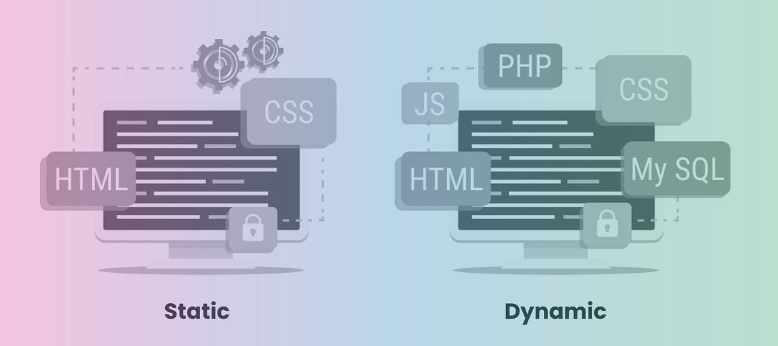
In the 1990s, the web was largely static. Websites were built using HTML and offered minimal interactivity. They served primarily as online brochures — a digital representation of a company, product, or service. Each page was individually coded, and any update required manual intervention by developers. The concept of real-time interaction or personalization simply didn’t exist.
The early 2000s brought a significant shift. With the introduction of technologies like JavaScript, CSS, and dynamic scripting languages such as PHP, Python, and ASP.NET, websites started to come alive. Developers began building pages that responded to user actions — login forms, content submissions, and shopping carts became possible. This era marked the dawn of dynamic web applications.
As the demand for richer experiences grew, frameworks such as Angular, React, and Vue.js revolutionized the front-end landscape. They enabled faster load times, smoother transitions, and interactive interfaces that mimicked the feel of desktop applications. On the server side, advancements in Node.js, Django, Laravel, and Ruby on Rails made backend processes more efficient and scalable.
The evolution didn’t stop there. Cloud computing and microservices architecture redefined how applications were built and deployed. APIs enabled different systems to communicate seamlessly, while containerization tools like Docker and Kubernetes brought flexibility and reliability to web app hosting. Businesses could now deploy global applications that scaled automatically with demand.
Modern web applications are now powered by artificial intelligence, real-time analytics, and automation. Features like chatbots, predictive recommendations, and interactive dashboards are becoming standard. Whether it’s an e-commerce platform recommending personalized products or an enterprise SaaS tool visualizing business performance, today’s web apps offer unmatched convenience, speed, and intelligence.
In essence, the transformation from static to dynamic web platforms represents more than a technological leap — it’s a revolution in digital experience. Web apps are now the foundation of online ecosystems, shaping how brands interact with users, how businesses function, and how innovations reach the market faster.
At Siddhrans Infotech Pvt. Ltd., we’ve been at the forefront of this evolution. Our team designs and develops next-generation web applications that combine aesthetics, functionality, and cutting-edge technology. Whether you need a business portal, an AI-powered dashboard, or a custom enterprise system, our web solutions are built for performance, scalability, and growth.
We believe that the future of business lies in dynamic, intelligent, and responsive platforms — and we’re here to help you build it.