

In today's competitive digital landscape, businesses need to connect with customers at the right time while managing multiple marketing activities efficiently. From email campaigns and social media communication to lead nurturing and customer follow-ups, handling everything manually can consume significant time and resources.
Marketing automation provides a smarter solution by using technology to automate repetitive marketing tasks and deliver personalized communication based on customer behavior. It allows marketing teams to focus more on strategy, creativity, and customer relationships while automated systems handle routine activities.
When implemented correctly, marketing automation can improve productivity, strengthen customer engagement, increase conversion rates, and contribute to higher sales.
What Is Marketing Automation?
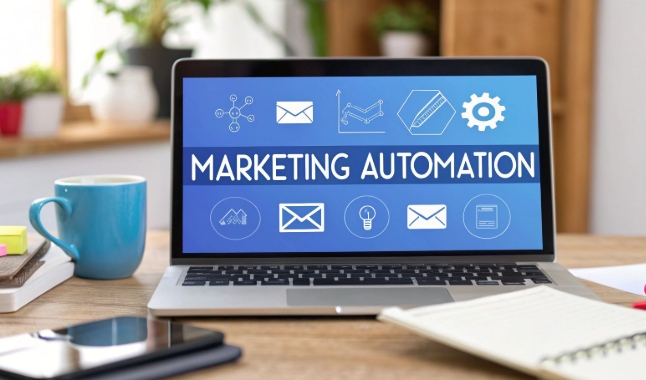
Marketing automation involves using software and technology to automate repetitive marketing processes.
Common automated activities include:
- Email campaigns
- Lead nurturing
- Customer follow-ups
- Social media scheduling
- Audience segmentation
- Personalized messaging
- Campaign tracking
- Customer onboarding
Automation allows businesses to communicate with customers consistently without requiring every task to be completed manually.
How Marketing Automation Saves Time
1. Automates Repetitive Tasks
Marketing teams often spend hours performing repetitive activities such as sending emails, updating customer records, and following up with leads.
Automation can handle these tasks based on predefined rules.
Benefit:
Reduces manual work and allows teams to focus on higher-value activities.
2. Automates Lead Follow-Ups
Not every lead is ready to make a purchase immediately. Automated workflows can send relevant messages at different stages of the customer journey.
Benefit:
Ensures leads receive timely follow-ups without requiring constant manual intervention.
3. Simplifies Email Marketing
Businesses can create automated email sequences for:
- Welcome messages
- Product recommendations
- Promotional campaigns
- Abandoned carts
- Customer follow-ups
Benefit:
Saves time while maintaining consistent customer communication.
4. Improves Customer Segmentation
Marketing automation tools can organize customers based on factors such as interests, interactions, purchase history, and engagement.
Benefit:
Makes it easier to send relevant messages to specific customer groups.
How Marketing Automation Boosts Sales
1. Nurtures Potential Customers
Automation helps businesses stay connected with potential customers throughout their buying journey.
Providing useful information at the right time can gradually build trust and encourage customers to take action.
Benefit:
Improves the chances of converting leads into customers.
2. Personalizes Customer Communication
Personalized messages can be based on customer behavior and preferences.
For example, businesses can recommend products based on previous purchases or send targeted offers based on customer interests.
Benefit:
Creates more relevant customer experiences and improves engagement.
3. Improves Lead Conversion
Automation can identify highly engaged leads and help sales teams prioritize them.
Benefit:
Sales teams can spend more time on leads that are more likely to convert.
4. Increases Customer Retention
Marketing automation isn't only useful for acquiring customers. Businesses can also automate:
- Loyalty campaigns
- Product updates
- Customer surveys
- Renewal reminders
- Personalized offers
Benefit:
Encourages repeat purchases and strengthens customer relationships.
5. Provides Useful Marketing Insights
Automation platforms can track campaign performance and customer interactions.
Businesses can monitor metrics such as:
- Email open rates
- Click-through rates
- Lead conversions
- Customer engagement
- Campaign performance
Benefit:
Helps businesses make better marketing decisions based on data.
Examples of Marketing Automation
Businesses across different industries can use automation for:
E-commerce:
Automated product recommendations, abandoned-cart reminders, and promotional campaigns.
B2B Businesses:
Lead nurturing, email sequences, and sales follow-ups.
Service Businesses:
Appointment reminders, customer onboarding, and follow-up communication.
Digital Marketing Agencies:
Campaign scheduling, lead management, reporting, and customer communication.
Best Practices for Marketing Automation
- Define clear marketing goals.
- Understand your target audience.
- Segment customers effectively.
- Personalize automated messages.
- Avoid sending excessive communications.
- Monitor campaign performance.
- Regularly update automated workflows.
- Combine automation with human interaction.
Common Marketing Automation Mistakes
Businesses should avoid:
- Sending irrelevant automated messages
- Over-automating customer communication
- Ignoring customer preferences
- Using generic content for every audience
- Failing to monitor campaign results
- Setting up automation without a clear strategy
Automation should support customer relationships rather than replace genuine communication.
Benefits of Marketing Automation for Businesses
An effective marketing automation strategy can help businesses achieve:
- Reduced manual workload
- Improved marketing productivity
- Faster lead follow-ups
- Better customer engagement
- Higher conversion rates
- Increased sales opportunities
- Improved customer retention
- Better marketing insights
Conclusion
Marketing automation is a powerful way for businesses to save time while improving the effectiveness of their marketing efforts. By automating repetitive tasks, nurturing leads, personalizing communication, and analyzing campaign performance, businesses can operate more efficiently and create better customer experiences.
The key to successful marketing automation is finding the right balance between technology and human interaction. With a clear strategy and well-designed workflows, automation can help businesses increase productivity, improve conversions, and achieve sustainable sales growth.