

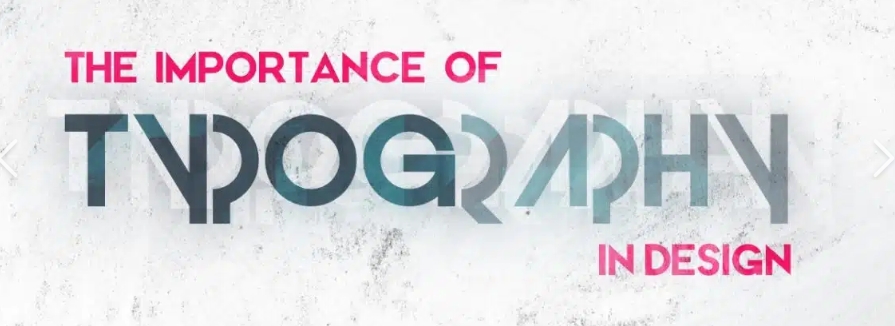
In graphic design, visual elements work together to communicate a message effectively. While colors, images, and layouts are important, typography plays an equally significant role. The fonts used in a design can influence how a message is perceived and can make a brand appear professional, modern, trustworthy, creative, or approachable.
Typography is the art and technique of arranging text so that it is readable, visually appealing, and appropriate for the intended audience. From social media graphics and advertisements to websites, brochures, presentations, and business branding, typography is present in almost every form of visual communication.
Choosing the right typography can make a design more engaging and help businesses communicate their message clearly.
What Is Typography?
Typography refers to the design and arrangement of text within a visual composition. It includes several elements such as:
- Font selection
- Font size
- Font weight
- Line spacing
- Letter spacing
- Text alignment
- Text hierarchy
- Font pairing
When these elements are used correctly, they create a balanced and professional design.
Why Typography Matters in Graphic Design
Typography helps businesses:
- Improve readability
- Communicate messages clearly
- Create visual hierarchy
- Strengthen brand identity
- Capture audience attention
- Establish the right mood
- Improve overall design quality
Good typography ensures that the audience can understand the message without unnecessary effort.
How Typography Influences Design
1. Improves Readability
The primary purpose of typography is to make written content easy to read.
Choosing an appropriate font size, spacing, and style allows viewers to understand information quickly.
Benefit:
Improves user experience and keeps audiences engaged with the content.
2. Creates Visual Hierarchy
Typography helps guide the viewer's attention to the most important information.
Designers can use different:
- Font sizes
- Font weights
- Styles
- Colors
to distinguish headings, subheadings, and supporting content.
Benefit:
Makes information easier to scan and understand.
3. Strengthens Brand Identity
Fonts can become an important part of a company's visual identity.
Consistent typography across:
- Websites
- Social media
- Advertisements
- Brochures
- Presentations
helps create a recognizable brand.
Benefit:
Improves brand recognition and consistency.
4. Communicates Emotion
Different fonts create different emotional impressions.
For example:
- Serif fonts can appear traditional and professional.
- Sans-serif fonts often feel modern and clean.
- Script fonts can create an elegant or creative appearance.
- Bold display fonts can create a strong and energetic impression.
Benefit:
Helps businesses communicate the right personality to their audience.
5. Captures Attention
Creative typography can make important messages stand out.
Large headings, bold text, and carefully selected fonts can draw attention to key information.
Benefit:
Helps marketing content stand out in crowded digital environments.
6. Creates a Professional Appearance
Poor font choices can make even a well-designed graphic look unprofessional.
Consistent and appropriate typography creates a polished visual appearance.
Benefit:
Builds credibility and customer trust.
Important Typography Principles
Choose Fonts Carefully
Select fonts based on the purpose of the design and the target audience.
Limit the Number of Fonts
Using too many fonts can make a design look confusing and unorganized. In most designs, using a small number of complementary fonts creates better consistency.
Maintain Proper Spacing
Adequate line and letter spacing improves readability and prevents text from appearing crowded.
Use Font Hierarchy
Create clear differences between headings, subheadings, and body text.
Consider Contrast
Make sure text stands out clearly against the background.
Maintain Brand Consistency
Use typography consistently across different marketing materials to strengthen brand recognition.
Typography Mistakes to Avoid
Some common typography mistakes include:
- Using too many fonts
- Choosing difficult-to-read fonts
- Poor font combinations
- Insufficient text contrast
- Excessive decorative fonts
- Inconsistent font sizes
- Poor spacing and alignment
- Ignoring mobile readability
Avoiding these mistakes can significantly improve the quality of your designs.
Typography for Different Marketing Materials
Typography requirements can vary depending on the type of content.
Social Media Graphics:
Use bold, readable fonts that communicate the message quickly.
Websites:
Prioritize readability, accessibility, and responsive typography.
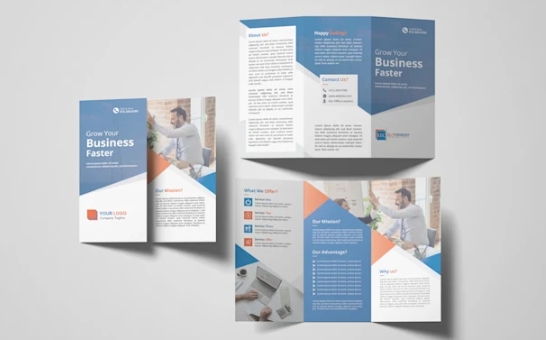
Brochures:
Use clear headings and structured body text.
Advertisements:
Use strong typography to highlight offers and calls-to-action.
Branding:
Choose fonts that reflect the personality and positioning of the business.
Best Practices for Effective Typography
- Choose fonts that match your brand personality.
- Prioritize readability.
- Create a clear visual hierarchy.
- Use consistent typography across marketing materials.
- Maintain sufficient contrast.
- Test designs on different screen sizes.
- Avoid unnecessary decorative fonts.
- Pair complementary fonts carefully.
Benefits of Good Typography
Effective typography can help businesses achieve:
- Better communication
- Stronger brand identity
- Improved audience engagement
- Better readability
- More professional designs
- Higher visual impact
- Greater brand recognition
Conclusion
Typography is much more than simply choosing a font. It is a powerful design element that influences readability, communication, emotion, and brand perception. By selecting appropriate fonts, maintaining visual hierarchy, using proper spacing, and keeping typography consistent, businesses can create more professional and engaging visual content.
Whether you are designing social media graphics, websites, advertisements, brochures, or branding materials, thoughtful typography can make your message clearer and your design more impactful.