

In today's digital world, a website is often the first point of interaction between a business and its customers. However, not every visitor experiences a website in the same way. People with visual, hearing, cognitive, or physical disabilities may face barriers when navigating websites that are not designed with accessibility in mind.
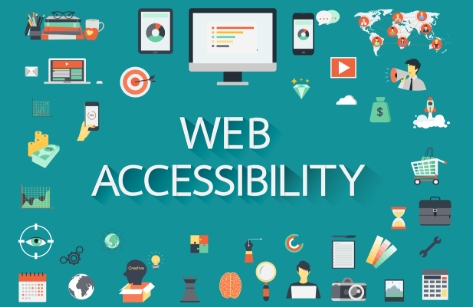
Website accessibility focuses on creating websites that everyone can use, regardless of their abilities or the devices they use. An accessible website provides equal access to information, products, and services while improving the overall user experience for all visitors.
By prioritizing accessibility, businesses not only demonstrate social responsibility but also expand their reach and improve customer satisfaction.
What Is Website Accessibility?
Website accessibility refers to designing and developing websites that can be easily accessed and used by people with disabilities.
Accessible websites support users who rely on:
- Screen readers
- Keyboard navigation
- Voice recognition software
- Screen magnifiers
- Alternative input devices
Accessibility also benefits users with temporary disabilities, older adults, and people using mobile devices or slower internet connections.
Why Website Accessibility Matters
An accessible website helps businesses:
- Reach a wider audience
- Improve customer experience
- Build trust and inclusivity
- Increase website usability
- Support legal and accessibility compliance
- Enhance search engine optimization (SEO)
Accessibility is not just about compliance—it's about creating better digital experiences for everyone.
Benefits of Website Accessibility
1. Expands Your Audience
Millions of people worldwide live with some form of disability.
Benefit:
An accessible website allows more users to access your products and services.
2. Improves User Experience
Accessibility features often improve usability for all visitors.
Examples include:
- Clear navigation
- Readable fonts
- Logical page structure
- Easy-to-use forms
Benefit:
Higher customer satisfaction and increased engagement.
3. Strengthens Brand Reputation
Businesses that prioritize accessibility demonstrate inclusivity and social responsibility.
Benefit:
Builds customer trust and strengthens your brand image.
4. Supports Better SEO
Many accessibility best practices also improve search engine optimization.
Examples include:
- Descriptive headings
- Alt text for images
- Proper HTML structure
- Faster loading pages
Benefit:
Improved search rankings and greater online visibility.
5. Enhances Mobile Usability
Accessible websites often provide better experiences on smartphones and tablets.
Benefit:
Improves engagement across all devices.
6. Helps Meet Accessibility Standards
Following recognized accessibility guidelines helps businesses comply with legal and industry requirements.
Benefit:
Reduces compliance risks and demonstrates commitment to inclusive design.
Essential Website Accessibility Features
Clear Navigation
Simple and consistent menus help users easily find information.
Alternative Text for Images
Provide descriptive alt text so screen readers can explain images.
Keyboard Accessibility
Ensure users can navigate the website without a mouse.
Readable Typography
Use clear fonts, appropriate font sizes, and sufficient spacing.
High Color Contrast
Maintain adequate contrast between text and background for better readability.
Captions and Transcripts
Include captions for videos and transcripts for audio content.
Accessible Forms
Clearly label form fields and provide helpful error messages.
Responsive Design
Ensure the website functions well across different devices and screen sizes.
Common Accessibility Mistakes to Avoid
- Missing image alt text
- Poor color contrast
- Small font sizes
- Inaccessible forms
- Complex navigation
- Keyboard navigation limitations
- Videos without captions
Best Practices for Website Accessibility
- Follow recognized accessibility guidelines (such as WCAG)
- Test your website with accessibility tools
- Gather feedback from real users
- Regularly review and update accessibility features
- Train your development team on accessible design principles
Benefits for Businesses
Businesses that invest in website accessibility often experience:
- Increased customer reach
- Better user engagement
- Higher customer satisfaction
- Improved SEO performance
- Stronger brand reputation
- Greater customer loyalty
Conclusion
Website accessibility is an essential part of modern web design and development. By creating websites that are easy to use for everyone, businesses can provide inclusive digital experiences, improve customer satisfaction, strengthen their brand reputation, and reach a broader audience. Investing in accessibility not only supports compliance with industry standards but also contributes to long-term business growth and success.