

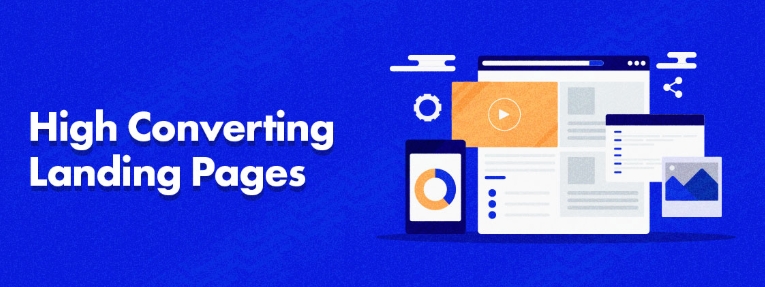
A landing page is one of the most important components of any digital marketing campaign. Whether you're promoting a product, collecting leads, or encouraging users to sign up for a service, your landing page plays a crucial role in influencing visitor decisions.
Unlike a regular website page, a landing page is designed with a single objective—to encourage visitors to take a specific action. A well-optimized landing page reduces distractions, provides relevant information, and guides users toward conversion.
Understanding the essential elements of a high-converting landing page can help businesses generate more leads, increase sales, and improve the return on their marketing investments.
What Is a Landing Page?
A landing page is a standalone web page created specifically for marketing or advertising campaigns. Visitors typically arrive on the page after clicking an advertisement, email link, social media post, or search engine result.
The primary goal of a landing page is to encourage users to complete a desired action, such as:
- Filling out a contact form
- Requesting a consultation
- Downloading an eBook
- Registering for an event
- Purchasing a product
- Signing up for a newsletter
Why Landing Pages Matter
A focused landing page helps businesses:
- Increase conversion rates
- Generate qualified leads
- Improve marketing campaign performance
- Reduce bounce rates
- Deliver clear and targeted messaging
Since visitors are presented with one clear objective, they are more likely to complete the intended action.
Essential Elements of a High-Converting Landing Page
1. A Clear and Compelling Headline
Your headline is the first thing visitors see. It should immediately communicate the value of your offer.
Best Practice:
Use a concise, benefit-focused headline that grabs attention.
2. Engaging Subheadline
A supporting subheadline provides additional information and reinforces the main message.
Benefit:
Helps visitors understand why they should continue reading.
3. Strong Value Proposition
Clearly explain how your product or service solves a problem or benefits the customer.
Answer questions like:
- What problem does it solve?
- Why should customers choose you?
- What makes your offer unique?
4. High-Quality Visuals
Images, videos, or illustrations make your landing page more engaging and help communicate your message effectively.
Best Practice:
Use professional visuals that support your offer and reflect your brand.
5. Clear Call-to-Action (CTA)
Every landing page should include a prominent and persuasive CTA.
Examples:
- Get Started
- Request a Demo
- Contact Us Today
- Download Now
- Book a Free Consultation
Benefit:
Encourages visitors to take immediate action.
6. Simple Contact or Lead Form
If collecting leads, keep your form short and easy to complete.
Ask only for essential information, such as:
- Name
- Email address
- Phone number (if necessary)
Benefit:
Short forms generally result in higher completion rates.
7. Trust Signals
Build credibility by including:
- Customer testimonials
- Client logos
- Case studies
- Certifications
- Awards
- Security badges
Benefit:
Increases visitor confidence and reduces hesitation.
8. Mobile-Friendly Design
Many users visit landing pages on smartphones.
Ensure your page:
- Loads quickly
- Displays properly on all devices
- Offers easy navigation
Benefit:
Improves user experience and conversion rates.
9. Fast Loading Speed
Slow pages can cause visitors to leave before taking action.
Optimize:
- Images
- Code
- Hosting performance
Benefit:
Faster pages improve both user satisfaction and SEO.
10. Minimal Distractions
Remove unnecessary navigation links and unrelated content.
Keep visitors focused on the primary goal of the page.
Benefit:
Higher conversion rates through focused user attention.
Common Landing Page Mistakes to Avoid
- Unclear messaging
- Weak or missing CTA
- Long and complicated forms
- Slow loading speeds
- Poor mobile optimization
- Too many distractions
- Lack of trust-building elements
Benefits of a High-Converting Landing Page
Businesses with optimized landing pages often experience:
- Higher lead generation
- Increased sales
- Better marketing ROI
- Improved customer engagement
- Lower bounce rates
- Better campaign performance
Conclusion
A high-converting landing page combines compelling content, attractive design, and a clear call-to-action to encourage visitors to take meaningful action. By focusing on user experience, trust, speed, and simplicity, businesses can significantly improve conversion rates and maximize the effectiveness of their digital marketing campaigns. Investing in well-designed landing pages is a smart strategy for generating more leads, increasing sales, and supporting long-term business growth.