

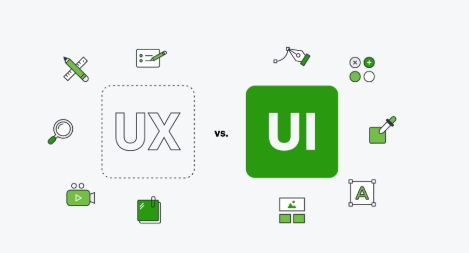
In today’s digital landscape, a website’s success depends on more than just its appearance. Businesses need websites that not only look appealing but also provide a seamless and enjoyable experience for users. This is where UI (User Interface) and UX (User Experience) design come into play.
Although the terms UI and UX are often used together, they serve different purposes in the website design process. Understanding the difference between them is crucial for creating effective digital experiences.
What Is UI Design?
UI (User Interface) Design focuses on the visual elements users interact with on a website or application. It includes everything users see and click on, such as:
- Buttons and icons
- Navigation menus
- Color schemes
- Typography
- Images and graphics
- Layout and visual structure
The primary goal of UI design is to create an attractive and visually appealing interface that reflects the brand identity and encourages user engagement.
What Is UX Design?
UX (User Experience) Design focuses on the overall experience users have when interacting with a website or application. It aims to make the user journey smooth, efficient, and enjoyable.
UX design involves:
- User research and analysis
- Website structure and navigation planning
- Wireframing and prototyping
- Usability testing
- Improving accessibility and functionality
The goal of UX design is to ensure users can easily find information and complete tasks without frustration.
Key Differences Between UI and UX Design
| UI Design | UX Design |
|---|---|
| Focuses on visual appearance | Focuses on user experience |
| Deals with colors, fonts, and layouts | Deals with usability and functionality |
| Makes interfaces attractive | Makes interfaces easy to use |
| Enhances brand presentation | Enhances customer satisfaction |
| Concerned with aesthetics | Concerned with user behavior |
Why UI and UX Matter for Businesses
1. Improved User Satisfaction
A well-designed UI combined with a strong UX creates a positive experience that keeps users engaged and satisfied.
2. Higher Conversion Rates
Easy navigation and clear design encourage users to take desired actions such as making purchases, filling forms, or contacting the business.
3. Stronger Brand Image
Professional UI design helps establish credibility and strengthens brand identity.
4. Reduced Bounce Rates
When users can easily navigate a website and find information quickly, they are more likely to stay longer.
5. Better Business Results
Effective UI and UX design contribute to increased customer retention, engagement, and revenue growth.
Best Practices for UI and UX Design
- Keep designs simple and consistent
- Ensure mobile responsiveness
- Use clear navigation menus
- Optimize website loading speed
- Focus on accessibility and usability
- Conduct user testing regularly
Conclusion
UI and UX design work together to create successful websites and applications. While UI focuses on the visual presentation, UX ensures users have a smooth and satisfying experience. Businesses that invest in both UI and UX design can improve customer engagement, increase conversions, and build a stronger online presence.