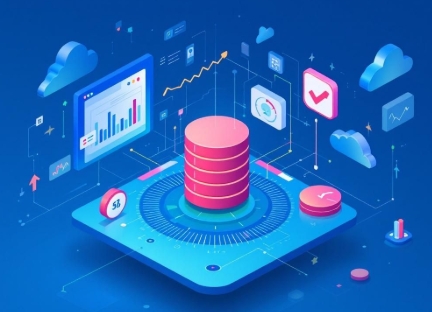



In 2026, businesses generate more data than ever before. From customer interactions and sales metrics to operational performance and marketing analytics, the challenge is no longer data collection—it is data interpretation. AI-powered dashboards in web applications are solving this problem by turning complex datasets into clear, actionable decisions.
Traditional dashboards focused on displaying charts, graphs, and tables. While informative, they often required manual analysis and interpretation. Modern AI-driven dashboards go a step further. They analyze patterns, detect anomalies, and provide predictive insights automatically, helping decision-makers act quickly and confidently.
One of the biggest advantages of AI-powered dashboards is real-time intelligence. These systems continuously process incoming data and highlight important trends as they emerge. For example, a sudden drop in sales, unusual website traffic behavior, or operational bottlenecks can trigger automated alerts. This proactive approach enables faster response times and reduces potential risks.
Predictive analytics is another key feature in 2026. AI models use historical data to forecast future trends such as revenue growth, customer churn, inventory requirements, or campaign performance. Instead of reacting to past results, businesses can plan strategically for upcoming opportunities and challenges.
Personalization also plays a critical role. Modern dashboards adapt to user roles and preferences. Executives may see high-level KPIs and forecasts, while operational teams access detailed metrics and workflow insights. This role-based customization ensures that each stakeholder receives relevant and meaningful information.
AI-powered dashboards also improve usability. Natural language processing (NLP) allows users to ask questions in simple language, such as “What were last month’s top-performing products?” The system then generates visual reports instantly. This conversational interface reduces technical barriers and makes data accessible to non-technical users.
Automation further enhances efficiency. Reports can be generated automatically, performance summaries can be emailed periodically, and recommendations can be suggested based on trends. This minimizes manual effort and increases productivity across teams.
Security and compliance remain essential considerations. As dashboards handle sensitive business data, secure access controls, encryption, and role-based permissions are critical components of modern web applications.
Ultimately, AI-powered dashboards transform web apps from passive reporting tools into intelligent decision-support systems. By combining analytics, automation, and predictive modeling, businesses gain deeper insights and stronger competitive advantages.
In 2026, data alone is not power—intelligent interpretation is. AI-powered dashboards are redefining how organizations convert information into strategic action.