

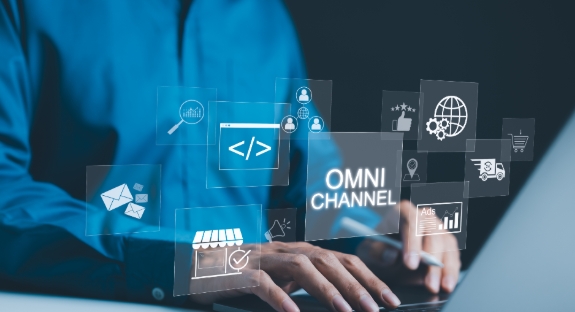
In 2026, customers interact with brands across multiple platforms—websites, mobile apps, social media, email, marketplaces, physical stores, and even smart devices. They expect a seamless experience regardless of where or how they engage. Omnichannel marketing has evolved from a competitive advantage to a fundamental business requirement.
Unlike multichannel marketing, which simply uses multiple platforms independently, omnichannel marketing integrates all channels into a unified ecosystem. The goal is to ensure that every customer interaction feels connected, consistent, and personalized.
Today’s consumers might discover a product on social media, research it on a website, read reviews on a marketplace, and complete the purchase through a mobile app. In 2026, businesses must ensure that messaging, branding, offers, and data remain synchronized across every touchpoint.
One of the key drivers of omnichannel success is data integration. Modern marketing platforms consolidate customer data from various sources to create a single customer view. This unified profile enables personalized recommendations, targeted promotions, and contextual communication based on real-time behavior.
AI and automation are playing a crucial role in optimizing omnichannel strategies. Intelligent systems analyze customer interactions and determine the best channel, timing, and content for engagement. For example, if a user abandons a cart on a website, they might receive a personalized email reminder followed by a mobile push notification.
Consistency in branding is another critical element. From tone of voice to visual identity, customers expect uniformity across channels. Inconsistent messaging can create confusion and weaken trust. A cohesive brand presence strengthens recognition and builds long-term loyalty.
Omnichannel marketing in 2026 also emphasizes customer convenience. Features such as buy-online-pickup-in-store (BOPIS), integrated chat support, and cross-device synchronization enhance user experience. Businesses that reduce friction throughout the journey improve conversion rates and customer satisfaction.
However, successful implementation requires strategic planning. Companies must invest in integrated CRM systems, marketing automation tools, and data analytics platforms. Collaboration between marketing, sales, customer support, and IT teams is essential for seamless execution.
Ultimately, omnichannel marketing is about understanding the customer journey from start to finish. Businesses that deliver consistent, personalized, and convenient experiences across all platforms build stronger relationships and drive sustainable growth.
In 2026, seamless customer journeys are no longer optional—they define the standard of modern marketing excellence.