

In 2026, accessibility-first web design is no longer optional—it is a fundamental requirement for creating inclusive, ethical, and high-performing digital experiences. As more people rely on digital platforms for daily activities, businesses must ensure their websites are usable by individuals of all abilities, including those with visual, auditory, cognitive, and motor impairments. Accessibility-first design focuses on removing barriers and providing equal access to information and functionality for every user.
At the foundation of accessible web design is usability. Clear navigation, readable typography, sufficient color contrast, and intuitive layouts help users interact with websites effortlessly. Accessibility improvements often enhance the experience for all users, not just those with disabilities. Features such as descriptive headings, consistent structure, and keyboard-friendly navigation make websites easier to use across devices and environments.
In 2026, accessibility is closely tied to legal compliance and digital responsibility. Many regions have strengthened accessibility regulations and standards, making it essential for businesses to align with guidelines such as WCAG (Web Content Accessibility Guidelines). Accessible websites reduce legal risk while demonstrating a commitment to inclusion and social responsibility.
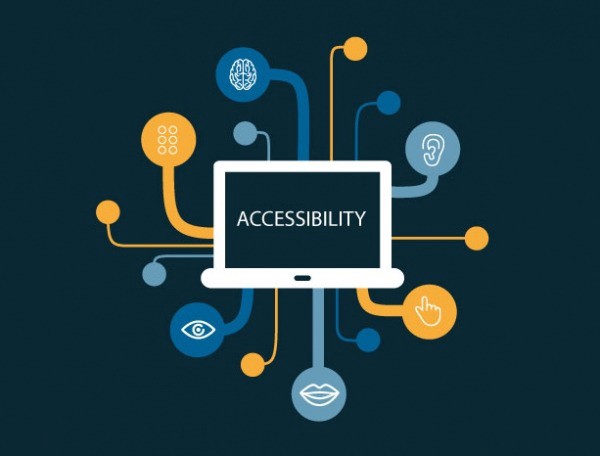
Technology also plays a key role in modern accessibility. Screen readers, voice navigation, assistive tools, and AI-powered accessibility enhancements rely on well-structured and semantically correct design. Accessibility-first development ensures that websites integrate seamlessly with these technologies, allowing users to interact confidently and independently.
From a business perspective, inclusive design expands audience reach. By accommodating diverse user needs, businesses open their digital platforms to a wider customer base. Accessibility also strengthens brand reputation, builds trust, and enhances loyalty by showing respect for all users.
In a digital-first world where experience defines success, accessibility-first web design is a strategic advantage. Businesses that prioritize inclusivity in 2026 not only meet compliance requirements but also create meaningful, user-centered experiences that drive long-term growth and engagement.