

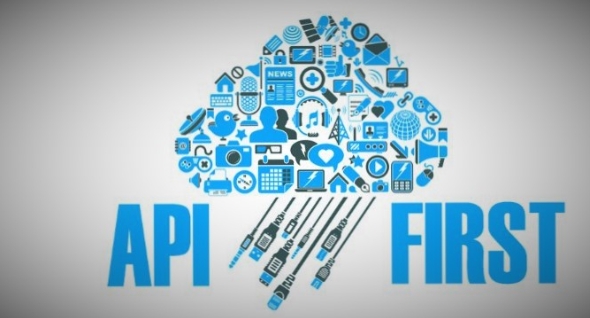
As digital ecosystems grow more complex, web applications in 2026 must be built to scale, integrate, and evolve rapidly. API-first development has emerged as a foundational strategy for achieving these goals. Instead of treating APIs as an afterthought, this approach designs APIs at the very beginning of the development process—ensuring that applications are modular, flexible, and future-ready.
At its core, API-first development focuses on building a strong communication layer between systems. APIs act as the backbone that connects front-end interfaces, back-end services, mobile apps, third-party tools, and cloud platforms. By defining clear and consistent APIs early, development teams can work in parallel, reduce dependencies, and accelerate time to market.
Scalability is one of the biggest advantages of API-first architecture. In 2026, businesses must handle growing user bases, fluctuating traffic, and expanding feature sets. API-driven systems allow components to scale independently, ensuring performance remains stable even as demand increases. This modular structure also makes it easier to add new services or integrate emerging technologies without disrupting existing functionality.
API-first development also enhances flexibility and innovation. Web applications are no longer limited to a single interface. The same API can power web apps, mobile apps, dashboards, IoT devices, and partner platforms. This omnichannel capability allows businesses to expand their digital presence quickly while maintaining consistency across platforms.
Security and governance play a critical role in modern API-first systems. In 2026, robust authentication, authorization, and monitoring mechanisms are essential to protect data and maintain compliance. Well-designed APIs include clear access controls, versioning strategies, and documentation, ensuring long-term reliability and maintainability.
From a business perspective, API-first development supports faster iteration and long-term cost efficiency. Teams can update or replace individual services without rebuilding the entire application. This reduces technical debt, improves system resilience, and supports continuous improvement.
In an era where integration, scalability, and speed define success, API-first development has become a cornerstone of modern web applications. Businesses that adopt this approach in 2026 are better equipped to innovate, scale efficiently, and build digital platforms that stand the test of time.