

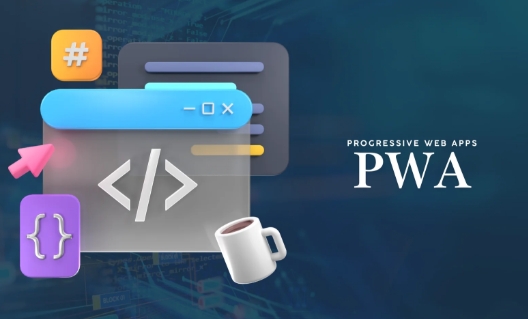
As user expectations continue to rise, businesses are searching for digital solutions that are fast, reliable, and accessible across all devices. Progressive Web Apps (PWAs) have emerged as a powerful technology that bridges the gap between traditional websites and native mobile applications. By combining modern web capabilities with app-like experiences, PWAs are redefining how users interact with web platforms.
PWAs are designed to load instantly, even in low or unstable network conditions. Through features like service workers and intelligent caching, they provide offline access and faster performance, ensuring users can continue interacting with content without interruption. This reliability significantly improves user engagement and reduces bounce rates.
Another major advantage of PWAs is their app-like experience. Users can install PWAs directly from their browser without visiting an app store. Once installed, PWAs offer push notifications, full-screen experiences, and smooth navigation—similar to native mobile apps. This increases user retention while eliminating the complexities of app store approvals and updates.
From a business perspective, PWAs are cost-effective and scalable. A single PWA works across multiple platforms, reducing the need for separate development teams for web and mobile apps. Maintenance becomes easier, updates are instant, and performance remains consistent across devices.
PWAs also contribute positively to SEO and discoverability. Since they are web-based, they can be indexed by search engines, improving visibility and organic traffic. Faster loading speeds further boost search rankings and enhance overall user experience.
As businesses move toward mobile-first and performance-driven strategies, PWAs represent the future of web experiences. They deliver the speed of native apps, the reach of the web, and the flexibility businesses need to grow in a competitive digital environment.