

In 2026, mobile applications are no longer static platforms offering the same experience to every user. Artificial intelligence has revolutionized how apps interact with users, enabling highly personalized journeys tailored to individual behaviors, preferences, and real-time context. AI personalization has become a competitive necessity, helping businesses increase engagement, improve retention, and maximize lifetime customer value.
AI-powered mobile apps analyze vast amounts of user data, including browsing behavior, purchase history, search patterns, location data, device usage, and interaction timing. Using machine learning algorithms, apps can predict user needs and deliver customized content, product recommendations, notifications, and offers. Instead of generic messaging, users receive experiences that feel intuitive and relevant.
One of the most powerful applications of AI personalization is predictive recommendations. Streaming apps suggest content based on viewing history, e-commerce platforms recommend products aligned with browsing habits, and fintech apps provide tailored financial insights. These predictive systems reduce decision fatigue and create smoother user journeys.
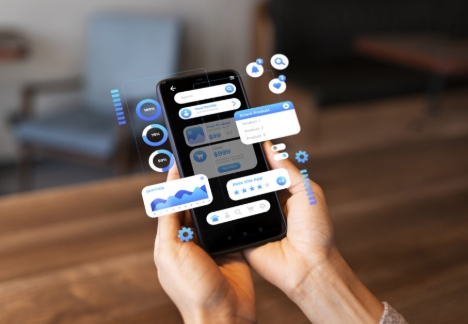
Dynamic user interfaces are another major advancement in 2026. Mobile apps now adjust layouts, features, and content visibility based on individual preferences. For example, frequently used features may appear prominently on the dashboard, while less relevant sections remain minimized. This adaptive design enhances usability and improves overall satisfaction.
AI-driven push notifications have also evolved. Rather than sending mass alerts, intelligent systems determine the best time, tone, and message for each user. Personalized notifications significantly increase open rates and engagement while reducing app uninstalls caused by irrelevant messaging.
In addition to engagement, AI personalization supports stronger customer retention. By understanding user behavior patterns, apps can identify churn risks early and trigger proactive retention strategies, such as personalized offers, loyalty rewards, or re-engagement campaigns.
However, personalization must be balanced with privacy and transparency. In 2026, users expect clear data policies, consent management, and secure information handling. Ethical AI practices and compliance with data protection regulations are essential for maintaining trust.
AI personalization is redefining the mobile app experience. Businesses that invest in intelligent systems and user-centric design are building smarter apps that anticipate needs, foster loyalty, and drive sustainable growth. In the modern mobile ecosystem, personalized experiences are not just appreciated—they are expected.