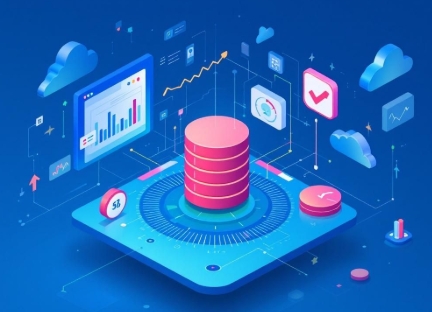



In today’s rapidly evolving business landscape, intuition alone is no longer enough to guide strategic decisions. By 2026, data-driven decision making has become a core pillar of sustainable growth and competitive advantage. Organizations across industries are leveraging advanced analytics, artificial intelligence, and real-time reporting tools to guide everything from marketing strategies to operational improvements. However, collecting data is only the first step—turning insights into measurable action is where business consultants play a transformative role.
Businesses generate massive amounts of data daily through customer interactions, sales platforms, digital marketing campaigns, supply chains, and internal operations. Without proper structure and interpretation, this data can become overwhelming and underutilized. Consultants help organizations identify key performance indicators (KPIs), define measurable objectives, and align analytics with broader business goals. Instead of focusing on vanity metrics, consultants prioritize data that directly impacts profitability, efficiency, and customer satisfaction.
One of the most valuable contributions consultants make is translating complex analytics into clear strategic direction. Advanced dashboards and AI-driven insights are only effective when leadership teams understand how to act on them. Consultants bridge this gap by converting data trends into actionable roadmaps—whether that means optimizing pricing strategies, refining customer acquisition channels, streamlining operations, or reallocating resources.
Predictive analytics is another major advantage in 2026. Consultants use forecasting models to help businesses anticipate market shifts, customer behavior changes, and potential risks. Rather than reacting to problems after they occur, companies can proactively adjust strategies based on reliable projections. This forward-thinking approach reduces uncertainty and improves long-term planning.
Data-driven decision making also strengthens accountability across teams. Clear metrics allow organizations to track performance transparently and evaluate outcomes objectively. Consultants assist in building performance management frameworks that ensure continuous improvement. By regularly reviewing data and adjusting strategies accordingly, businesses create an agile culture focused on measurable results.
However, effective data usage requires strong governance and ethical responsibility. Consultants guide businesses in implementing data security standards, compliance measures, and transparent reporting practices. In 2026, maintaining trust while leveraging customer data is essential for brand credibility and regulatory alignment.
Ultimately, data-driven decision making empowers businesses to replace guesswork with strategy. With the expertise of experienced consultants, organizations can transform raw information into practical initiatives that enhance efficiency, strengthen competitiveness, and drive sustainable growth. In an era defined by digital intelligence, the ability to turn insights into action is what separates market leaders from followers.