

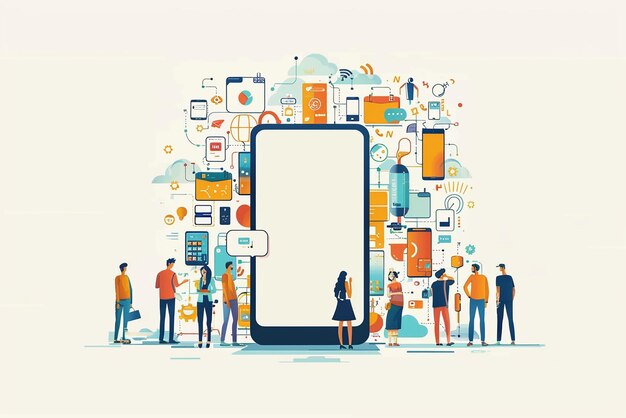
In 2026, mobile applications have become a central touchpoint between businesses and their customers. As user expectations continue to rise, mobile apps are no longer just digital tools—they are powerful engagement platforms that enable personalized, seamless, and consistent customer experiences. Businesses that leverage mobile apps effectively are seeing higher engagement rates and improved customer retention.
One of the key ways mobile apps drive engagement is through personalization. By using user data, behavior insights, and AI-driven recommendations, apps can deliver tailored content, offers, and notifications that resonate with individual users. Personalized experiences make customers feel valued, increasing the likelihood of repeat interactions and long-term loyalty.
Real-time communication is another major advantage of mobile apps in 2026. Push notifications, in-app messages, and alerts allow businesses to stay connected with users instantly. When used strategically, these features help re-engage inactive users, promote timely updates, and encourage meaningful actions without overwhelming customers.
Mobile apps also enhance engagement by offering convenience and speed. Features such as one-tap access, saved preferences, secure authentication, and seamless navigation reduce friction in user journeys. The easier it is for users to complete tasks, the more likely they are to continue using the app regularly.
Gamification and interactive elements play an increasing role in customer retention. Reward systems, loyalty points, progress tracking, and personalized achievements motivate users to stay engaged over time. These interactive features transform routine interactions into enjoyable experiences, strengthening emotional connections with the brand.
In 2026, data-driven insights are essential for improving mobile app performance. Businesses use analytics to track user behavior, identify drop-off points, and optimize app experiences continuously. Regular updates, performance improvements, and feature enhancements based on real user feedback help maintain long-term user interest and satisfaction.
Security and trust are also critical factors in retention. Users expect mobile apps to protect their data with advanced security measures and transparent privacy practices. Apps that prioritize user safety build confidence, leading to stronger customer relationships and higher retention rates.
By combining personalization, convenience, interactivity, and trust, mobile apps in 2026 have become powerful tools for driving customer engagement and retention. Businesses that invest in intelligent, user-centric mobile app strategies are better positioned to foster loyalty, increase lifetime value, and stay competitive in the digital-first economy.